
For recipients pursuing donor-egg IVF, the full process from completed eligibility to a pregnancy test typically spans 4–8 weeks for a frozen-egg cycle, or 3–6 months when working with a fresh, matched donor. Yale Medicine notes that once entry requirements are complete, matching alone often takes about one month, with the treatment cycle itself running 4–8 weeks after that.
Here is how the phases break down:
- Pre-cycle screening and medical clearance: 2–6 weeks
- Donor matching: days to weeks (frozen bank) or 1–3 months (fresh/matched donor)
- Endometrial preparation: 4–6 weeks
- Donor stimulation and retrieval (fresh cycles only): 10–14 days
- Embryo culture to blastocyst: 3–5 days
- Embryo transfer and two-week wait: approximately 14 days to pregnancy blood test
The two pathways differ significantly in scheduling. Frozen donor-egg cycles let recipients begin endometrial preparation almost immediately after selecting a donor, compressing the timeline to weeks rather than months. Fresh cycles require synchronizing the recipient’s lining preparation with the donor’s stimulation schedule, which adds coordination time.
Key Takeaways
For most recipients, the donor-egg IVF timeline runs 4–10 weeks for a frozen-egg cycle and 3–6 months for a fresh donor cycle, with administrative and medical preparation accounting for most of the variation.
| Point | Details |
|---|---|
| Frozen vs. fresh timing | Frozen-egg cycles typically take 4–10 weeks; fresh donor cycles commonly run 3–6 months. |
| Matching duration | Frozen bank matching takes days to 2 weeks; fresh donor matching typically takes 4–12 weeks. |
| Endometrial preparation | Lining preparation runs 4–6 weeks with 2–3 monitoring ultrasounds before transfer. |
| Two-week wait | A blood pregnancy test is performed approximately 10–14 days after embryo transfer. |
| Life IVF Center | Offers frozen-egg bank access, Precision IVF® protocols, and coordinated scheduling to reduce delays. |
Table of Contents
- How long does egg donation take? A step-by-step recipient timeline
- What makes your timeline shorter or longer?
- Questions to ask your clinic and steps to take before you start
- How Life IVF Center typically schedules a donor-egg recipient cycle
- What patients commonly say about the emotional side of the timeline
- Life IVF Center’s donor-egg program can help you plan your timeline
- Sources
How long does egg donation take? A step-by-step recipient timeline
The recipient’s path through donor-egg IVF follows a clear sequence. Understanding each phase helps you plan work schedules, travel, and finances without surprises.
1. Pre-cycle screening and medical clearance (weeks 1–6)
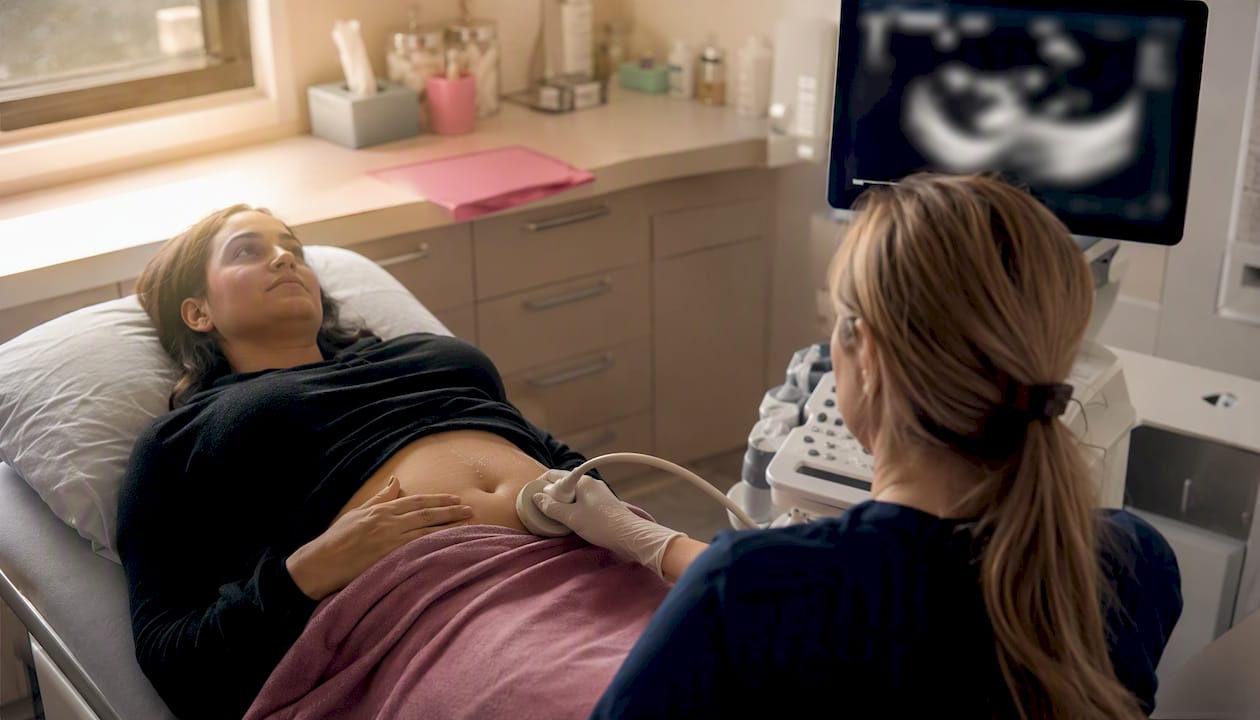
Before any medications begin, your clinic will order a full medical workup. This typically includes a uterine evaluation (saline sonogram or hysteroscopy), infectious disease screening, hormone panels, and a review of your medical history. Depending on how quickly you can schedule appointments and return results, this window runs 2–6 weeks. Pre-IVF requirements at most clinics also include a psychological consultation, which clinical teams at URMC specifically recommend as part of the planning process, not an afterthought.
2. Donor matching (days to months, depending on pathway)
Matching timelines vary more than any other phase. With a frozen-egg bank, you can often select a donor and move forward within days. With a fresh or agency-matched donor, the process involves reviewing profiles, completing compatibility assessments, and waiting for donor availability, which commonly runs 4–12 weeks. Some programs compress overall timelines to roughly three months by running legal and medical steps in parallel and completing donor screening upfront.
3. Legal consent and administrative steps (1–4 weeks, overlapping)
Legal consent forms, donor agreements, and any required psychological clearances run concurrently with matching and early screening. This phase rarely stands alone but can add 1–4 weeks if paperwork is delayed or if your clinic requires independent legal counsel for both parties. Insurance pre-authorization, if applicable, also happens here.
4. Endometrial preparation (weeks 4–10)
Once a donor is selected and legal steps are complete, you begin preparing your uterine lining. Clinics typically prescribe estrogen first to build the lining, then add progesterone to synchronize the endometrium for implantation. This preparation commonly takes 4–6 weeks and involves 2–3 monitoring ultrasounds to confirm lining thickness and response. For frozen cycles, this phase can begin almost immediately after donor selection. For fresh cycles, it must align with the donor’s stimulation schedule.
5. Donor stimulation and retrieval (fresh cycles: days 1–14 of stimulation)
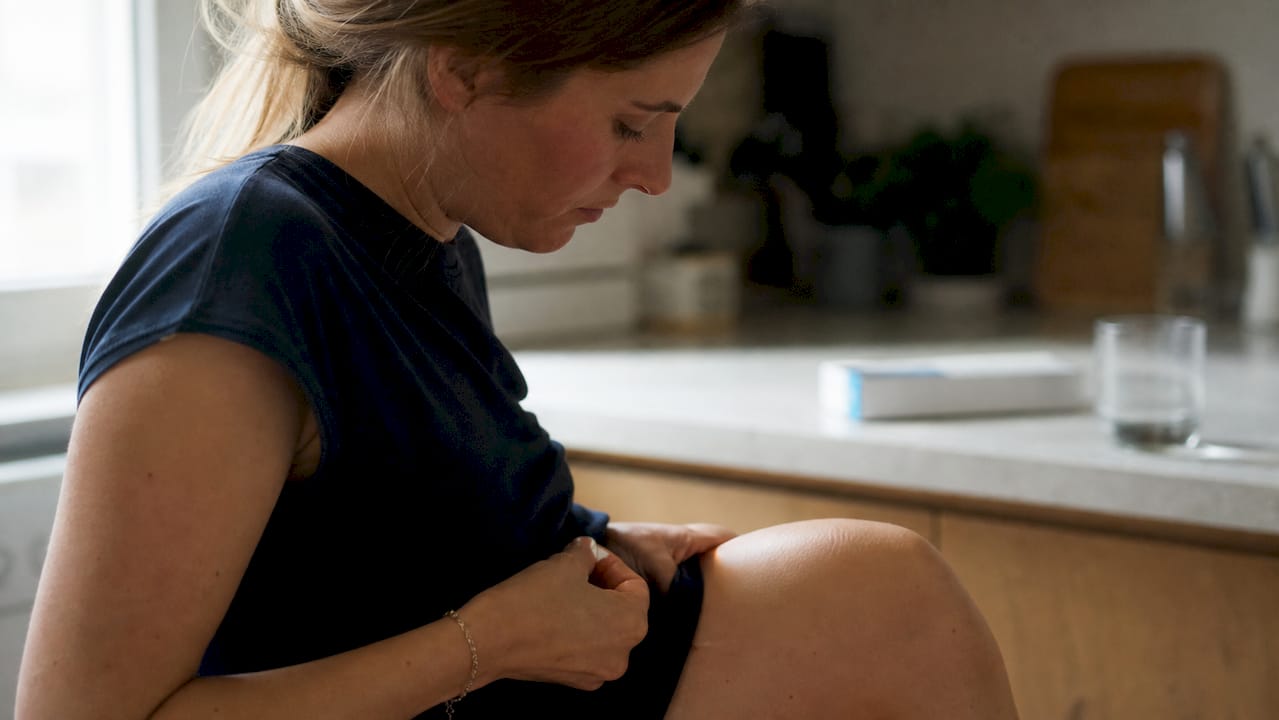
In a fresh donor cycle, the donor undergoes approximately 10–14 days of ovarian stimulation with injectable medications, followed by a trigger shot roughly 36 hours before retrieval. The retrieval procedure itself takes about 20–30 minutes. The recipient’s lining preparation is timed to coincide with this window, which is the primary reason fresh cycles require more coordination and carry more scheduling risk.
6. Embryo creation and culture (days 1–5 post-retrieval)
After retrieval, eggs are fertilized in the laboratory using your partner’s or donor sperm. Embryos are then cultured for 3–5 days to reach the blastocyst stage. Transfer typically occurs on day 5, though some clinics prefer day 3 depending on embryo development. If preimplantation genetic testing (PGT) is added, embryos are biopsied and frozen, and results take 1–2 additional weeks before a transfer can be scheduled.
7. Embryo transfer and the two-week wait
The transfer procedure is brief, typically 15–20 minutes, and does not require anesthesia. After transfer, you continue progesterone support and wait approximately 10–14 days for a blood pregnancy test (beta-hCG). A positive result is followed by a confirmatory ultrasound, usually scheduled 1–2 weeks later to confirm fetal heartbeat and placement.
Pro Tip: Ask your clinic whether they routinely culture embryos to day 5 (blastocyst) or day 3. Blastocyst transfers generally have higher implantation rates, but the decision depends on embryo quality and your specific case.
| Phase | Frozen Egg Cycle | Fresh Donor Cycle |
|---|---|---|
| Pre-cycle screening | 2–6 weeks | 2–6 weeks |
| Donor matching | Days to 2 weeks | 4–12 weeks |
| Legal and administrative | 1–4 weeks (overlapping) | 1–4 weeks (overlapping) |
| Endometrial preparation | 4–6 weeks | 4–6 weeks (synchronized) |
| Donor stimulation/retrieval | Not applicable | 10–14 days |
| Embryo culture | 3–5 days | 3–5 days |
| Two-week wait | ~14 days | ~14 days |
| Estimated total | 4–10 weeks | 3–6 months |
What makes your timeline shorter or longer?
Several variables can shift your schedule by days or weeks in either direction.
Pathway choice is the single biggest factor. Frozen-egg bank cycles remove the need to synchronize with a donor’s stimulation cycle entirely, letting clinics plan transfers around recipient readiness. Frozen cycles now outnumber fresh cycles in the U.S., partly because of this scheduling advantage. Fresh cycles, by contrast, require coordinating two people’s medical schedules simultaneously.
Administrative delays are more common than medical ones. Background checks, legal consent processing, insurance pre-authorization, and financial clearance each add time when not started early. Patients who arrive at their first consultation with recent labs, immunization records, and insurance documentation in hand consistently move faster.
Medical factors that extend timelines include:
- Lining that responds slowly to estrogen, requiring medication adjustments and additional monitoring
- Donor screening issues discovered after matching (rare but possible with fresh donors)
- A decision to add PGT, which freezes all embryos and adds 1–2 weeks for biopsy results
- A “freeze-all” protocol if the recipient’s progesterone rises prematurely before transfer
- Travel coordination for patients coming from out of state or internationally
A note on agency timelines: Agency-coordinated fresh donor programs typically run 3–6 months from initial consultation to retrieval. Programs that perform upfront donor screening and run legal and medical steps in parallel can shorten this to approximately three months.
Questions to ask your clinic and steps to take before you start
Getting organized before your first appointment is the most practical way to protect your timeline.
Pre-cycle checklist:
- Gather 12 months of medical records, including any prior fertility workups
- Confirm immunization status (rubella, varicella, and hepatitis B are commonly required)
- Complete recent labs if your primary care physician can order them in advance
- Contact your insurance provider about fertility coverage and pre-authorization requirements
- Review financial options and confirm your payment plan before cycle start
- Ask whether independent legal counsel is required for donor consent in your state
Questions to ask your coordinator:
- What is your current wait time for frozen-egg donors that match my preferences?
- Do you offer fresh donor matching, and what is the typical timeline from match to retrieval?
- Can legal and medical steps run simultaneously to reduce overall time?
- What happens if my lining does not respond adequately, and how does that affect scheduling?
- If I add PGT, how does that change my transfer date?
- Do you have travel coordination support for out-of-state patients?
Pro Tip: If your schedule has a hard deadline (a work commitment, a planned move, or a travel window), tell your coordinator at the first appointment. Frozen-egg bank cycles are far easier to schedule around fixed dates than fresh donor cycles, and your clinic can help you choose the pathway that fits your calendar.
How Life IVF Center typically schedules a donor-egg recipient cycle
At Life IVF Center, the recipient timeline follows a structured sequence designed to minimize gaps between phases. Here is a representative week-level schedule for a frozen-egg cycle:
| Week | Milestone |
|---|---|
| Week 1–2 | Initial consultation, medical history review, uterine evaluation ordered |
| Week 2–4 | Pre-cycle labs, infectious disease screening, psychological consultation |
| Week 3–5 | Donor selection from frozen-egg bank, legal consent completed |
| Week 5–10 | Endometrial preparation: estrogen, monitoring ultrasounds, progesterone added |
| Week 10 | Embryo thaw, fertilization (if not pre-fertilized), blastocyst culture |
| Week 10 | Embryo transfer |
| Week 11 | Beta-hCG pregnancy blood test |
| Week 14–15 | Confirmatory ultrasound if result is positive |
Life IVF Center’s donor egg program coordinates legal, financial, and medical steps concurrently where possible, which is one of the practical ways the clinic reduces the gap between consultation and transfer. Patients who travel from outside Southern California receive dedicated scheduling support to consolidate monitoring appointments.
Clinical teams at URMC emphasize that psychological preparation during the pre-cycle window is as important as the medical steps, and Life IVF Center incorporates this into the standard intake process rather than treating it as optional.
What patients commonly say about the emotional side of the timeline
The medical schedule and the emotional experience of that schedule are two different things, and most patients report that the two-week wait feels far longer than it is. Preparation, transfer, and waiting each carry their own emotional weight.
During the endometrial preparation phase, many patients describe a mix of anticipation and anxiety, particularly around monitoring appointments where lining thickness is assessed. A result that requires a medication adjustment can feel like a setback even when it is a routine clinical response.
Transfer day itself is often described as both exciting and surreal. The procedure is quick, and the shift from active medical steps to waiting is abrupt. Patients who have a clear picture of what comes next, including the exact date of their pregnancy test and what a positive result triggers, tend to manage the wait more steadily.
Pro Tip: Ask your clinic for a written schedule that includes your beta-hCG test date and the earliest date for a confirmatory ultrasound. Having concrete dates reduces the uncertainty that makes the two-week wait feel prolonged.
Life IVF Center’s donor-egg program can help you plan your timeline
Life IVF Center offers recipients a coordinated path through every phase of the donor-egg process, from frozen-egg bank selection and legal consent to endometrial preparation and embryo transfer. The clinic’s Precision IVF® approach personalizes your protocol based on your specific uterine response and medical history, reducing the likelihood of delays caused by lining issues or medication adjustments.
For recipients with time-sensitive schedules, Life IVF Center’s frozen-egg bank access means donor selection and cycle start can happen within weeks, not months. Financial counseling and travel coordination are available for patients coming from outside Southern California. To review treatment packages or discuss your specific timeline, schedule a consultation with the Life IVF Center team directly through the clinic’s booking page.
Sources
- Egg donation recipient | Yale Medicine
- How to Do IVF with Donor Eggs: A Complete Beginner’s Guide
- Donor Egg IVF | URochester Medicine
- Egg Donor IVF Process for Parents | Signature Donors
Timing figures vary by clinic, individual medical response, and donor availability. This article provides general information and does not substitute for personalized medical advice. Confirm your specific timeline and protocol with a qualified reproductive endocrinologist.
This article is general information, not a substitute for advice from a qualified doctor. Consult a qualified healthcare professional about your own circumstances before acting on anything here.
Recommended
- Become an Egg Donor – Life IVF Center
- Cost of Egg Donation: U.S. Pricing Guide for 2026
- Working with Donor Eggs – Life IVF Center
- Donor Egg IVF: What to Expect in 2026
Ready to take the next step?
Life IVF Center specializes in individualized Precision IVF® care for complex cases—including diminished ovarian reserve, prior failed cycles, and advanced maternal age. Our in-house labs and dedicated physicians are ready to help.
Book a Free Consultation →