
Male infertility is defined as the inability of a man to cause pregnancy in a fertile female after 12 months of regular, unprotected intercourse. The role of male infertility is far larger than most couples expect: male factors contribute to nearly 50% of all infertility cases globally, with isolated male factor responsible for 20–30% of cases. Understanding what drives these numbers, how diagnosis works, and what treatment options exist gives couples a real foundation for making informed decisions. Life IVF Center works with patients across Southern California to address male factor infertility through personalized, evidence-based protocols.
What causes male infertility and how do these factors affect fertility?
Male factor infertility covers a wide range of biological, genetic, and lifestyle-related conditions. No single cause dominates. That diversity is exactly why a thorough evaluation matters before any treatment begins.
Common biological and genetic causes
The most frequently identified causes of male infertility include:
- Low sperm production (oligospermia): Fewer sperm in the ejaculate reduces the statistical chance of fertilization.
- Abnormal sperm morphology or motility: Sperm that are misshapen or poor swimmers struggle to reach and penetrate an egg.
- Varicocele: Enlarged veins in the scrotum raise testicular temperature and impair sperm production. Varicocele is one of the most common and correctable causes of male infertility.
- Hormonal imbalances: Low testosterone or disrupted signaling from the pituitary gland reduces sperm production.
- Genetic factors: Chromosomal abnormalities such as Klinefelter syndrome and Y-chromosome microdeletions directly impair sperm development.
- Infections: Sexually transmitted infections and orchitis can damage the reproductive tract or block sperm transport.
- Coital factors: Conditions like erectile dysfunction and premature ejaculation prevent sperm from reaching the female reproductive tract, even when sperm quality is normal.
Lifestyle and environmental influences on male fertility
Lifestyle factors including smoking, alcohol consumption, environmental toxins, and obesity negatively affect sperm quality. These are modifiable, which means addressing them can produce measurable improvements before any medical intervention begins. Environmental endocrine disruptors, found in pesticides, plastics, and industrial chemicals, interfere with testosterone production and sperm development. Obesity raises scrotal temperature and alters hormone levels, compounding the problem.

Idiopathic male infertility accounts for 30–40% of cases even after thorough evaluation. That figure means a significant portion of patients receive no clear diagnosis from standard testing alone. Molecular and genetic factors, including epigenetic alterations and oxidative DNA damage, are implicated in many of these unexplained cases.
Pro Tip: Many causes of male infertility are treatable once properly identified. Skipping male evaluation and moving directly to assisted reproduction often misses correctable conditions that would improve outcomes at lower cost.
How is male infertility diagnosed?
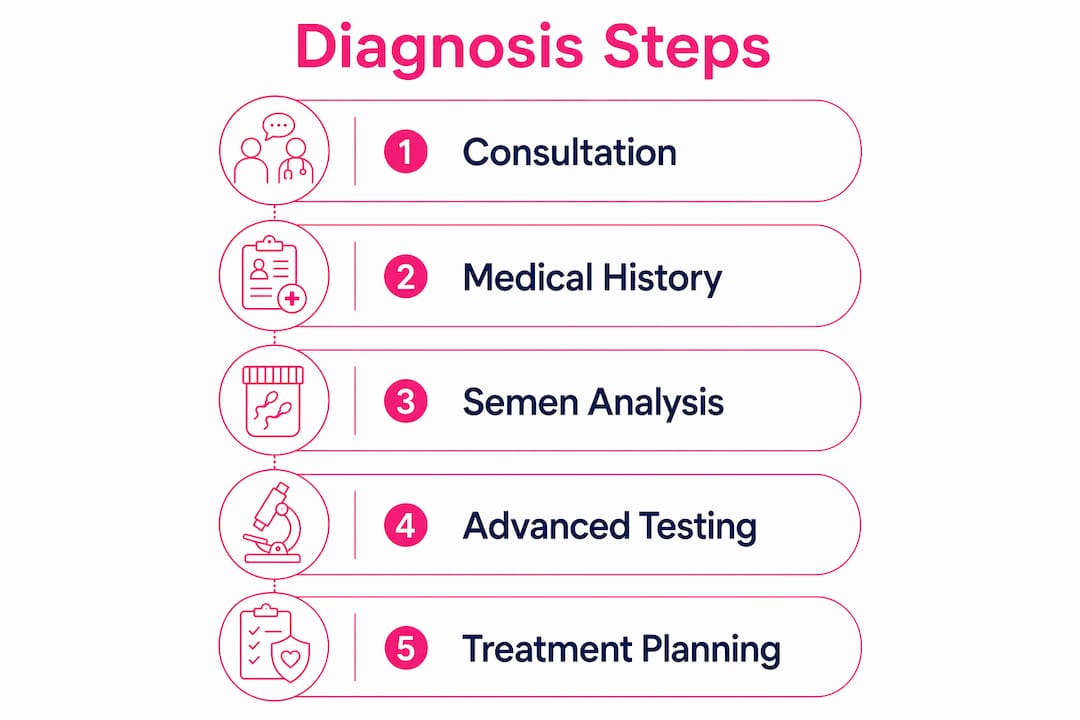
A structured diagnostic process is the foundation of effective treatment. Clinical guidelines recommend that couples unable to conceive after 12 months of unprotected intercourse undergo evaluation of both partners simultaneously. Evaluating only the female partner first is a common and costly mistake.
The standard diagnostic pathway
- Medical history and physical exam. The physician reviews reproductive history, past infections, surgeries, medications, and lifestyle factors. A physical exam checks for varicocele, testicular size, and signs of hormonal abnormality.
- Semen analysis. This is the first laboratory test ordered. It measures sperm count, motility, and morphology against World Health Organization reference values. However, semen analysis alone is insufficient to diagnose all causes. Only 13% of men with isolated male factor infertility have normal semen parameters by WHO criteria, which means standard tests miss a substantial number of abnormalities.
- Hormonal assays. Blood tests measuring FSH, LH, testosterone, and prolactin identify hormonal disruptions affecting sperm production.
- Genetic testing. Karyotyping and Y-chromosome microdeletion analysis are ordered when sperm counts are very low or absent.
- Sperm DNA fragmentation testing. This advanced diagnostic test measures damage to the genetic material inside sperm. High fragmentation rates correlate with recurrent miscarriage and IVF failure, even when standard semen parameters appear normal. The SpermEGT DNA Methylation Test assesses epigenetic factors and DNA integrity that routine analysis cannot detect.
- Scrotal and transrectal ultrasound. Imaging identifies varicocele, obstructions, or structural abnormalities in the reproductive tract.
Pro Tip: Idiopathic cases require testing beyond standard semen analysis. If your initial results are normal but conception has not occurred, ask specifically about sperm DNA fragmentation and hormonal profiling before accepting an “unexplained” label.
A male infertility checklist can help patients organize their reproductive health history before a first consultation, making the evaluation more efficient and complete.
What treatment options are available for male infertility?
Treatment strategies for male infertility span lifestyle changes, medical therapies, surgical procedures, and assisted reproductive technologies. The right approach depends entirely on the underlying cause, which is why accurate diagnosis comes first.
Lifestyle modifications and medical therapies
- Lifestyle changes: Quitting smoking, reducing alcohol, achieving a healthy weight, and avoiding heat exposure to the scrotum can improve sperm parameters within 3–6 months. These changes cost nothing and carry no medical risk.
- Hormonal therapy: When low testosterone or pituitary dysfunction drives infertility, medications such as clomiphene citrate or gonadotropin injections stimulate sperm production. These therapies work best when the hormonal cause is clearly identified.
- Antioxidant supplementation: Oxidative stress damages sperm DNA. Targeted supplementation with vitamins C and E, coenzyme Q10, and selenium addresses this mechanism, particularly in idiopathic cases.
Surgical interventions
- Varicocelectomy: Surgical repair of varicocele improves sperm parameters in a significant proportion of patients and is one of the most evidence-supported procedures in male infertility treatment.
- Vasectomy reversal: Reconnects the vas deferens in men who previously had a vasectomy. Success rates depend on the time elapsed since the original procedure.
- Surgical sperm retrieval: Techniques including TESE (testicular sperm extraction) and PESA (percutaneous epididymal sperm aspiration) recover sperm directly from the testis or epididymis in men with no sperm in the ejaculate.
Assisted reproductive technologies
- Intrauterine insemination (IUI): Places prepared sperm directly into the uterus, useful for mild male factor cases.
- In vitro fertilization (IVF): Combines eggs and sperm in a laboratory setting. IVF is appropriate when other treatments have not succeeded or when female factor infertility is also present.
- Intracytoplasmic sperm injection (ICSI): A single sperm is injected directly into an egg. ICSI is the standard approach when sperm count or motility is severely reduced, or when surgically retrieved sperm is used.
Reviewing proven male infertility treatments with a specialist helps couples understand which combination of approaches fits their specific diagnosis.
Can male infertility signal broader health problems?
Male infertility is increasingly recognized as a clinical marker for systemic health conditions, not just a reproductive problem. Male infertility can indicate conditions like metabolic syndrome, obesity, and type 2 diabetes, offering an opportunity for early intervention well before those conditions become severe.
The connection is direct. Metabolic syndrome disrupts testosterone production and increases scrotal temperature through fat accumulation. Diabetes damages the nerves and blood vessels that support erectile function and sperm transport. Men who present for fertility evaluation often receive their first diagnosis of these conditions during the workup.
“An abnormal sperm test may be the first sign of a broader systemic health issue. Fertility evaluation gives men an early opportunity to address metabolic or hormonal disorders that would otherwise go undetected for years.”
The psychosocial dimension of male infertility also deserves attention. Men experiencing infertility report elevated rates of anxiety, depression, and reduced quality of life. Supportive care, including counseling and clear communication from the medical team, is part of a complete treatment approach. Understanding how male factor infertility affects both partners helps couples approach evaluation and treatment as a shared process rather than an individual burden.
Key Takeaways
Male infertility contributes to nearly half of all infertility cases globally, and accurate diagnosis of the underlying cause determines which treatment will succeed.
| Point | Details |
|---|---|
| Prevalence is higher than expected | Male factors contribute to nearly 50% of infertility cases; isolated male factor accounts for 20–30%. |
| Standard testing has real limits | Only 13% of men with isolated male factor infertility show normal semen parameters by WHO criteria. |
| Idiopathic cases need advanced testing | 30–40% of cases remain unexplained after standard evaluation; sperm DNA fragmentation testing often reveals the cause. |
| Treatment matches the diagnosis | Options range from lifestyle changes and hormonal therapy to varicocelectomy, ICSI, and surgical sperm retrieval. |
| Infertility can signal other health conditions | An abnormal sperm test may be an early marker for metabolic syndrome, diabetes, or hormonal disorders. |
Why equal evaluation of both partners changes outcomes
Fertility clinics have historically focused on female health. Male infertility is often treated as secondary, evaluated only after female workup is complete or not evaluated at all. That pattern leads to missed diagnoses and unnecessary procedures. Men are frequently overlooked in fertility evaluations, and the result is a premature resort to ART without addressing correctable male factors first.
What I find most striking in practice is how often a couple arrives after months of female-focused treatment, and a basic male evaluation reveals a varicocele or hormonal imbalance that was never checked. Correcting that one factor changes the entire treatment plan. The couple avoids a more invasive procedure, reduces cost, and often conceives with far less medical intervention than originally planned.
Idiopathic infertility is the hardest category to manage, and I want to be direct about that. When standard tests return normal results and conception still has not occurred, the temptation is to label the case “unexplained” and move to IVF. Advanced diagnostics, particularly sperm DNA fragmentation analysis and epigenetic testing, frequently reveal a mechanism that standard semen analysis missed entirely. That finding changes the treatment approach and improves the odds.
The broader health connection is also underused as a clinical opportunity. A man who comes in for fertility evaluation and leaves with a new diagnosis of prediabetes or metabolic syndrome has gained something beyond reproductive care. Treating those conditions improves his long-term health and, in many cases, his fertility simultaneously. That is the kind of integrated thinking that makes fertility evaluation genuinely valuable.
Personalized male infertility care at Life IVF Center
Life IVF Center provides thorough male infertility evaluation and treatment as part of its Precision IVF® approach, which tailors every protocol to the patient’s specific biological profile and diagnosis.

Couples dealing with male factor infertility benefit from a care model that addresses both partners from the first consultation. Life IVF Center’s team in Southern California offers advanced diagnostics, including sperm DNA fragmentation testing, hormonal profiling, and genetic evaluation, alongside surgical and ART options matched to each case. Explore fertility treatment packages designed to make high-quality reproductive care accessible, or review male fertility resources to prepare for your first appointment.
FAQ
What is male factor infertility?
Male factor infertility is any condition in the male partner that reduces the chance of conception. It contributes to nearly 50% of all infertility cases globally, either alone or in combination with female factors.
How long should a couple try before seeking a male infertility diagnosis?
Clinical guidelines recommend evaluation after 12 months of unprotected intercourse for couples under 35, or after 6 months when the female partner is 35 or older.
Is a normal semen analysis enough to rule out male infertility?
No. Only 13% of men with isolated male factor infertility show normal semen parameters by WHO criteria. Advanced tests such as sperm DNA fragmentation analysis are often needed to identify the underlying cause.
What is idiopathic male infertility?
Idiopathic male infertility means no clear cause is found after standard evaluation. It accounts for 30–40% of male infertility cases and often involves molecular or genetic factors not detectable by routine testing.
Can male infertility be treated without IVF?
Yes. Many causes, including varicocele, hormonal imbalances, and lifestyle factors, respond to surgical repair, medical therapy, or targeted lifestyle changes. IVF and ICSI are reserved for cases where simpler treatments are not effective or applicable.
Recommended
- Blog – Life IVF Center
- Uncategorized Archives – Life IVF Center
- Male Factor Infertility and its Effect on Female Patients – Life IVF Center
- Male Infertility Solutions List: Proven Treatments That Work
Ready to take the next step?
Life IVF Center specializes in individualized Precision IVF® care for complex cases—including diminished ovarian reserve, prior failed cycles, and advanced maternal age. Our in-house labs and dedicated physicians are ready to help.
Book a Free Consultation →