
DuoStim is a double ovarian stimulation protocol: two stimulation phases and two egg retrievals inside a single menstrual cycle. It exists to help patients with low ovarian reserve, or those facing a fertility preservation deadline, collect more eggs faster than waiting months between conventional cycles. The catch is real: yield goes up in most studies, but the live-birth advantage is not yet proven, so this is a decision that belongs in a personalized consultation, not a checklist.
TL;DR:
- DuoStim can increase oocyte retrieval in a single cycle, especially for patients with low ovarian reserve or urgent fertility preservation needs.
- The protocol involves two stimulation phases, starting within days of each other, with both egg retrievals usually followed by embryo freezing.
- While egg and embryo yields are consistently higher with DuoStim, evidence for improved live-birth rates remains inconclusive.
- Candidates are typically those with diminished ovarian reserve, low AFC or AMH, or facing a time-sensitive situation, while it’s less beneficial for normal responders or those with high ovarian reserve.
- Patients should carefully inquire about trigger protocols, monitoring timing, embryo handling, costs, and logistical coordination before proceeding.
Table of Contents
- What Is Duo Stim IVF and Why Do Clinics Use It?
- How Does the Duo Stim IVF Process Work Step by Step?
- What Does the Evidence Actually Show About DuoStim Outcomes?
- Benefits and Tradeoffs of Duo Stim IVF Worth Weighing
- Who Is a Good Candidate for Duo Stim IVF?
- What Should You Ask a Clinic Before Choosing Duo Stim IVF?
- What Does a Typical Duo Stim IVF Timeline Look Like?
- How Life IVF Center Approaches DuoStim Candidacy and Care
- The Real Question Isn’t Whether DuoStim Works, It’s Whether You Need It
- Ready to Discuss Whether DuoStim Fits Your Fertility Plan?
- Sources
What Is Duo Stim IVF and Why Do Clinics Use It?
DuoStim IVF rests on a shift in reproductive biology that overturned decades of assumption. Fertility specialists once believed the ovaries release a single wave of recruitable follicles per menstrual cycle, all governed by the follicular phase. Research on the “follicular wave theory” has since shown that ovaries can recruit follicles in multiple waves, including during the luteal phase, after ovulation has already occurred.
That discovery is the entire rationale behind DuoStim. If follicles are available in the luteal phase too, a second round of stimulation and retrieval in the same cycle can capture eggs that a standard protocol would leave behind until the next cycle, or the one after that.
Clinics break the process into two labeled phases, and you’ll see these terms in your chart notes:
- Follicular-phase stimulation (FPOS): the conventional stimulation window, starting early in the cycle, that most patients already recognize from a standard IVF protocol.
- Luteal-phase stimulation (LPOS): a second stimulation that begins shortly after the first egg retrieval, targeting the follicular wave that emerges after ovulation.
- DuoStim protocol: the combined sequence, FPOS followed by retrieval, followed by LPOS followed by a second retrieval, all inside one continuous cycle.
The timing is tight by design. Instead of waiting through a full cycle (or several) to attempt a second stimulation, the clinic restarts medication within days of the first retrieval, while the ovaries are already primed and follicle-stimulating hormone receptors are active. That compression is what makes DuoStim attractive for time-sensitive cases: someone starting chemotherapy in three weeks, or someone whose ovarian reserve is declining faster than a conventional treatment timeline can accommodate.
The upshot for total oocyte yield is straightforward on paper: two stimulations in one cycle should, in theory, recruit more follicles than one stimulation would. In practice, several randomized clinical trial and retrospective series confirm this holds for most poor responders, though the size of the benefit and its downstream effect on live births are separate questions worth examining closely before assuming more eggs automatically means a better outcome.
It’s worth being precise about who benefits most from this biology. Patients with a robust ovarian reserve already have plenty of recruitable follicles in a single follicular phase, so DuoStim’s added value shrinks for them. The protocol earns its place specifically where egg numbers are scarce and time is short, which is why the conversation about DuoStim IVF almost always starts with a look at antral follicle count and anti-Mullerian hormone levels before anything else.
How Does the Duo Stim IVF Process Work Step by Step?
A DuoStim cycle is really two condensed IVF cycles stitched together, and knowing the sequence in advance makes the actual experience far less disorienting.
1. Baseline evaluation. Before any medication starts, your clinic reviews anti-Mullerian hormone (AMH) levels, antral follicle count (AFC) on transvaginal ultrasound, and, if you’ve cycled before, your prior stimulation response. These three data points shape every dose decision that follows. A patient with an AMH under 1.0 ng/mL and an AFC in the single digits is a very different planning case than one with borderline reserve, even though both might be candidates for DuoStim.
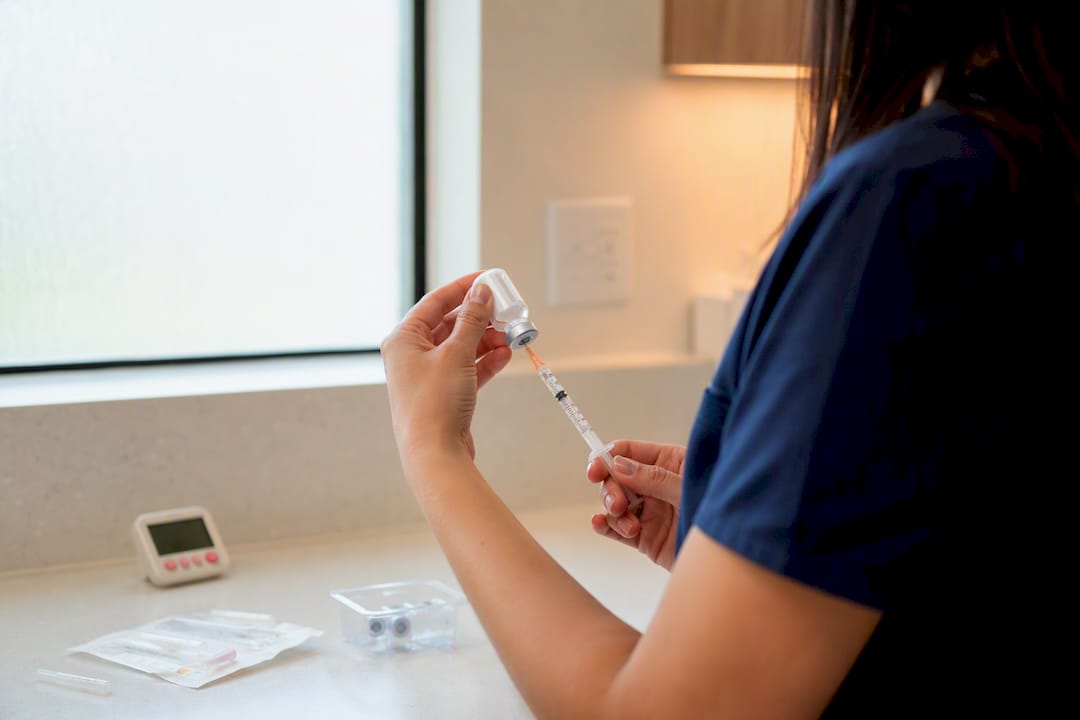
2. Follicular-phase stimulation (FPOS). Stimulation typically starts on day 2 or 3 of the cycle using injectable gonadotropins, usually recombinant FSH, human menopausal gonadotropin (hMG), or a combination. A GnRH antagonist is layered in once lead follicles reach a certain size, to prevent premature ovulation. Monitoring visits (ultrasound plus estradiol bloodwork) happen every two to three days.
3. First trigger and retrieval. Once follicles reach target size, a trigger shot induces final egg maturation. Clinics use either recombinant hCG (rHCG) or a GnRH agonist trigger, and the choice matters: some retrospective data suggest trigger selection can influence how many usable embryos come out of the luteal-phase stimulation stage that follows. Retrieval happens under sedation roughly 36 hours after trigger.
4. The restart. This is the part that surprises most patients: stimulation for the second phase often begins within two to five days of the first retrieval, sometimes even the day after. There’s no month-long break, no waiting for a new period. Medication doses are adjusted based on how the ovaries responded the first time around.
5. Luteal-phase stimulation (LPOS). The second stimulation follows a similar monitoring cadence, ultrasound and estradiol checks every two to three days, tracking a fresh cohort of follicles recruited from the post-ovulatory wave. Several multicenter series report the luteal-phase stage can yield an equal or even higher number of oocytes than the follicular phase in the same patient, which runs against the intuition that the “first” stimulation should always be the stronger one.
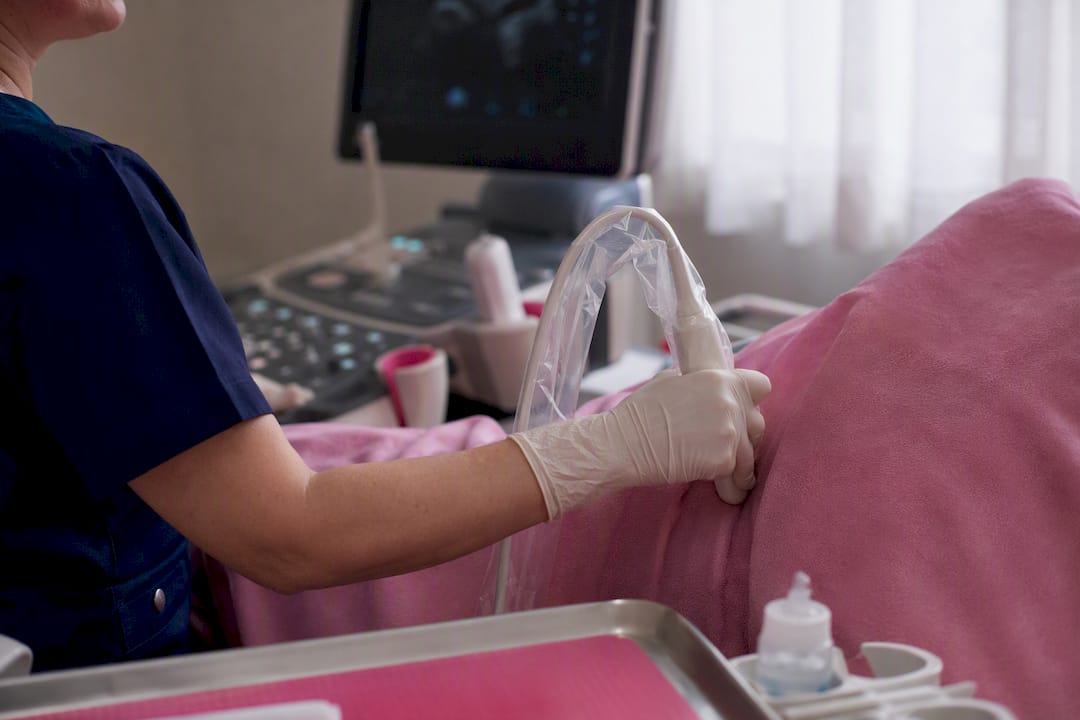
6. Second trigger and retrieval. A second trigger, again rHCG or GnRH agonist depending on the clinic’s protocol and your risk profile, precedes the second retrieval by about 36 hours.
7. Freeze-all. Because the second retrieval happens so close to the first and often overlaps with residual hormonal effects from the initial stimulation, nearly all DuoStim cycles use a freeze-all strategy. Embryos from both retrievals are frozen rather than transferred fresh, then evaluated together (often with PGT-A) before a future transfer in an unstimulated, better-prepared cycle.
Pro Tip: Ask your clinic exactly how many days typically separate your first retrieval and your second stimulation start. That interval varies by clinic protocol, and knowing it ahead of time helps you plan work, travel, and recovery realistically instead of guessing.
One data point worth holding onto from the randomized clinical trial comparing DuoStim against minimal stimulation in poor responders: retrieved oocyte counts averaged 3.86 with DuoStim versus 1.68 with minimal stimulation, a statistically significant difference (P=0.002). That’s the kind of number that explains why this protocol keeps coming up in conversations about low ovarian reserve, even before live-birth data enters the picture.
What Does the Evidence Actually Show About DuoStim Outcomes?
The research on DuoStim IVF tells a consistent story about egg and embryo numbers, and a much less settled one about babies born. Both halves matter, and conflating them is the single most common mistake in how this protocol gets discussed online.
On the yield side, the evidence is fairly strong. The randomized clinical trial in poor ovarian responders found DuoStim produced higher numbers of follicles, retrieved oocytes, mature (MII) oocytes, and obtained embryos compared with minimal stimulation protocols. A broader systematic review of DuoStim as a fertility preservation and IVF strategy reached a similar conclusion across multiple studies: the approach reproducibly increases oocyte and embryo yield within a short timeframe.
That same systematic review is candid about its limits, and this is where the evidence quality gets murkier:
- Most supporting studies are retrospective or single-center, not large multicenter RCTs.
- Trigger protocols (rHCG vs. GnRH agonist vs. urinary hCG) vary between studies, making pooled comparisons imprecise.
- Live-birth data is sparse; most trials report intermediate outcomes like oocyte count, MII rate, and embryo number rather than following patients through to delivery.
- Heterogeneity in patient populations (poor responders vs. fertility preservation patients vs. normal responders) limits how far any single finding generalizes.
A separate randomized controlled trial comparing luteal-phase stimulation directly against follicular-phase stimulation in poor responders adds useful nuance here. It found similar clinical pregnancy rates and fertilization outcomes between the two stimulation types, with some increase in embryo counts favoring one approach, but the certainty behind those findings was rated low to moderate, largely due to sample size.
The honest summary from the DuoStim systematic review is that the strategy is a reproducible way to gather more oocytes and competent embryos in a short window, particularly for fertility preservation, but the leap from “more embryos” to “higher live-birth rate” has not been established with the same level of confidence.
Retrospective and multicenter data add one more layer worth knowing. Findings from a multicenter analysis on optimal DuoStim execution in poor ovarian responders indicate that the luteal-phase stimulation stage often produces as many, or more, oocytes than the initial follicular-phase stage in the same patient, and that trigger choice can shift embryo counts up or down. That finding alone reshapes how some clinics sequence and dose the second stimulation.
Where does that leave a patient trying to make sense of all this? The signal toward improved embryo numbers is consistent and reproducible across study designs. The signal toward improved live-birth rates simply isn’t there yet in the same strength, which means DuoStim is best framed as a way to bank more embryos faster, not a guaranteed shortcut to pregnancy.
Benefits and Tradeoffs of Duo Stim IVF Worth Weighing
DuoStim earns its growing popularity for real reasons, but nobody should walk into it without seeing the full ledger.
The benefits cluster around speed and volume:
- Faster embryo accumulation. Two retrievals in one cycle can match what would otherwise take two to three separate cycles spread across several months.
- More material for PGT-A. When preimplantation genetic testing for aneuploid is part of the plan, having more embryos to test in a shorter window improves the odds of finding at least one chromosomally normal embryo without waiting through repeated cycles.
- Time-critical fertility preservation. For someone facing chemotherapy, a scheduled surgery, or a hard deadline before ovarian reserve declines further, DuoStim compresses months of egg-banking into roughly four to six weeks.
The tradeoffs are just as concrete, and they tend to surprise patients who only researched the upside:
- Cost stacks quickly. Two stimulation cycles and two retrievals inside one calendar month usually cost more upfront than spacing conventional cycles further apart, since medication and monitoring fees apply twice in rapid succession.
- Physical and logistical burden. Frequent monitoring visits, two rounds of injectable medication, and two sedated retrieval procedures within a few weeks is demanding on the body and on a work or travel schedule.
- Two anesthesia exposures close together. While generally well tolerated, undergoing sedation twice in a short span is a real consideration for patients with certain medical histories.
- Emotional intensity. Compressing what is normally a multi-month process into one continuous stretch leaves less recovery time between procedures, and clinicians who work with DuoStim patients regularly flag the emotional burden this compressed timeline can create.
Ovarian hyperstimulation syndrome (OHSS) deserves its own mention. Poor ovarian responders, the group DuoStim is most often used for, generally carry a lower baseline OHSS risk than high responders or patients with polycystic ovary syndrome. That said, stimulating twice in one cycle still means two exposures to gonadotropins and two trigger shots, so OHSS risk doesn’t disappear just because the starting risk category is lower. It’s a factor your clinic should monitor at both stimulation phases, not just the first.
Pro Tip: If cost is a deciding factor, ask your clinic for a single combined quote covering both stimulations and both retrievals rather than pricing them separately. Bundled DuoStim pricing sometimes differs from simply doubling a standard cycle estimate.
Who Is a Good Candidate for Duo Stim IVF?
DuoStim was designed with a specific patient profile in mind, and matching your own situation against that profile is the fastest way to know whether the conversation is worth having with your clinician.
Good candidates typically include:
- Patients with diminished ovarian reserve, indicated by a low AMH level or a low antral follicle count on ultrasound, especially those who have already shown a weak response to a standard stimulation cycle.
- Patients facing urgent fertility preservation needs, such as an oncology diagnosis requiring treatment within weeks, or a firm travel or life-timeline constraint that makes spacing cycles months apart impractical.
- Patients pursuing embryo banking for PGT-A, where accumulating enough embryos to identify a chromosomally normal one matters more than the speed of any single transfer.
- Patients with a documented history of poor response to prior follicular-phase-only cycles who are looking for an alternative path to more oocytes within a similar timeframe.
DuoStim is generally not the right fit, or requires extra caution, for:
- Patients with polycystic ovary syndrome (PCOS) or a high antral follicle count, since stimulating twice in one cycle raises OHSS exposure in a population already prone to it.
- Patients with medical contraindications to repeated ovarian stimulation or repeated sedation, which a full medical history review should catch before any protocol decision is made.
- Patients who cannot commit to frequent monitoring visits, since both stimulation phases require ultrasound and bloodwork every two to three days, and missed monitoring windows can compromise timing for either retrieval.
None of this replaces a real evaluation. Two patients with an identical AMH number can have very different DuoStim candidacy once prior cycle history, uterine findings, and personal timeline enter the picture, which is exactly why this decision belongs in a one-on-one review of your own cycle data rather than a general framework.
What Should You Ask a Clinic Before Choosing Duo Stim IVF?
Walking into a consultation with the right questions turns a vague conversation about “trying DuoStim” into an informed consent process you actually understand.
- How many DuoStim cycles has this clinic performed, and what does the lab’s freezing protocol look like for embryos retrieved in rapid succession? You’re not asking for a guarantee, you’re asking whether this is a routine part of their practice or a rarely used option.
- Which trigger will be used at each retrieval, rHCG or a GnRH agonist, and why? Trigger choice can affect embryo counts, and your clinician should be able to explain the reasoning for your specific case.
- How is anesthesia scheduled between the two retrievals, and what is the expected recovery window in between? This affects how you plan work, travel, and rest.
- What happens to embryos from each retrieval, are they frozen separately or evaluated together, and when does PGT-A testing happen?
- What is the plan if the second stimulation doesn’t recruit enough follicles, or if OHSS symptoms appear after the first retrieval?
- What is the total-estimated cost for both stimulation phases and both retrievals combined, and what financing or insurance options exist?
- If travel is involved, how does the clinic coordinate scheduling around the tight timeline between the two stimulation phases?
Bring your own AMH and AFC results, and any prior cycle summaries, to this conversation. A clinic that reviews your specific numbers before answering these questions in the abstract is giving you a more useful answer than one offering generic reassurance.
What Does a Typical Duo Stim IVF Timeline Look Like?
Seeing the calendar laid out removes a lot of the uncertainty patients describe going into their first DuoStim cycle.
| Phase | Approximate Timing | What Happens |
|---|---|---|
| Baseline evaluation | Prior to cycle start | AMH, AFC via ultrasound, review of prior cycle response |
| FPOS stimulation | Cycle days 2–3 through ~10 | Daily gonadotropin injections, monitoring every 2–3 days |
| First trigger | ~36 hours before retrieval | rHCG or GnRH agonist trigger shot |
| First retrieval | End of FPOS window | Sedated egg retrieval procedure |
| Restart interval | ~2–5 days after first retrieval | Brief pause, then LPOS medication begins |
| LPOS stimulation | ~10 days following restart | Daily gonadotropin injections, monitoring every 2–3 days |
| Second trigger | ~36 hours before second retrieval | rHCG or GnRH agonist trigger shot |
| Second retrieval | End of LPOS window | Sedated egg retrieval procedure |
| Embryo freezing | Following second retrieval | Freeze-all strategy, PGT-A testing if planned |
The full DuoStim process, from the first day of medication to the second retrieval, usually spans about four to six weeks. Monitoring during both stimulation phases follows a similar rhythm: transvaginal ultrasound and estradiol bloodwork every two to three days, with dose adjustments made in response to how follicles are growing.
Medication classes stay consistent across both phases, injectable gonadotropins (FSH, hMG) for stimulation, a GnRH antagonist to prevent premature ovulation, and a trigger shot to finalize egg maturation. Exact dosing is individualized and should never be estimated from a general guide.
Short-term side effects after each retrieval commonly include pelvic bloating, mild cramping, and fatigue for a day or two. Contact your clinic promptly if you experience severe abdominal pain, rapid weight gain, significant nausea, or shortness of breath after either retrieval, these can signal OHSS and warrant same-day evaluation.
How Life IVF Center Approaches DuoStim Candidacy and Care
DuoStim isn’t a protocol Life IVF Center applies from a template. Its Precision IVF® approach starts with your actual biology, your AMH, your AFC, your prior cycle history if you have one, and builds the stimulation plan around what that specific data set suggests you need, rather than defaulting every low-reserve patient into the same medication schedule.
That individualized planning matters most in the details that generic protocols tend to flatten: how much time separates your first retrieval from the restart of stimulation, which trigger fits your risk profile at each phase, and how your monitoring cadence should adjust if your ovaries respond differently the second time around than they did the first.
DuoStim also isn’t a one-department decision, and Life IVF Center’s team treats it that way. Coordinating a compressed, two-retrieval cycle means the clinical team, the embryology lab, anesthesia scheduling, and, where relevant, genetic counseling for PGT-A planning all need to be working from the same timeline. That coordination is what keeps a tight four-to-six-week protocol from feeling chaotic to the person living through it.
The support around the clinical plan matters just as much for patients weighing this decision. Life IVF Center’s team works through appointment scheduling that respects the narrow restart window between phases, provides financial guidance so the combined cost of two stimulations doesn’t arrive as a surprise, and coordinates travel logistics for patients who don’t live near the clinic but need to be present for frequent monitoring visits. Follow-up after each retrieval, and after the cycle concludes with embryos frozen, is built into the same continuity of care rather than treated as a separate afterthought.
The Real Question Isn’t Whether DuoStim Works, It’s Whether You Need It
The evidence on DuoStim is more settled than most patients realize on the question that matters least, and less settled on the one that matters most. Oocyte and embryo yield reliably goes up. Live birth is still an open question. Too much online discussion collapses that distinction, treating “more eggs” as interchangeable with “better odds,” when the research simply doesn’t support that leap yet.
Where conventional advice falls short is in treating DuoStim as a universal upgrade over standard IVF. It isn’t. It’s a tool built for a specific problem: too little time, or too few eggs per cycle, not both age and reserve issues that no stimulation timing can fix. A patient with a healthy AFC gains little from doubling up stimulations in one month.
What should come first, before protocol talk, is an honest look at your own AMH, AFC, and prior response data. That conversation, not the DuoStim decision itself, is where Precision IVF® actually earns its value.
Ready to Discuss Whether DuoStim Fits Your Fertility Plan?
If your ovarian reserve numbers or your timeline have you weighing DuoStim against a standard IVF cycle, the most useful next step is a consultation built around your actual data rather than general averages. Life IVF Center’s Precision IVF® approach starts by reviewing your AMH, AFC, and any prior cycle history before recommending a stimulation strategy, so you’re not guessing which protocol fits your situation.
Before your visit, gather what you can: recent AMH bloodwork, your most recent AFC ultrasound report, summaries from any prior IVF cycles, and a brief note on relevant medical history (PCOS, endometriosis, prior surgeries, or upcoming medical treatments with a fertility-preservation deadline). Having those on hand lets your consultation focus on your specific candidacy for DuoStim rather than starting from scratch. You can book a consultation directly to start that conversation.
This article is general information, not a substitute for advice from a qualified doctor. Consult a qualified healthcare professional about your own circumstances before acting on anything here.
This article is for general educational purposes only and is not a substitute for personalized medical advice, diagnosis, or treatment. Fertility care is highly individual; please consult a qualified healthcare professional about your specific circumstances.
