
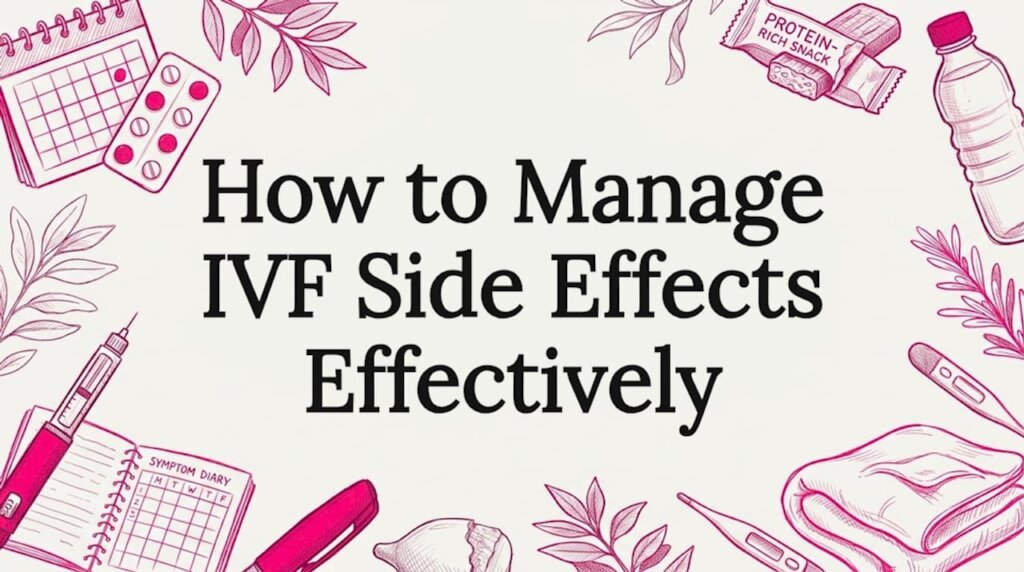
IVF treatment demands a great deal from your body and your emotions. Knowing how to manage IVF side effects before and during treatment is one of the most practical things you can do to protect your well-being throughout the process. The medications that drive follicle development, trigger ovulation, and support implantation are powerful. They work, but they also produce real physical and emotional responses that deserve a clear, honest plan. This guide covers what to expect, how to prepare, what to do when symptoms appear, and when to call your care team immediately.
Table of Contents
- Key takeaways
- Common IVF side effects and their causes
- Preparing to manage IVF side effects
- Step-by-step strategies to manage IVF side effects during treatment
- Troubleshooting and when to seek immediate care
- What to expect after IVF treatment
- My honest take on managing IVF side effects
- How Life IVF Center supports you through IVF treatment
- FAQ
Key takeaways
| Point | Details |
|---|---|
| Most side effects are manageable | Mild symptoms like bloating and fatigue are common and typically resolve with simple lifestyle adjustments. |
| OHSS is the key risk to watch | Rapid weight gain, severe abdominal pain, and reduced urine output require immediate medical attention. |
| Prepare before treatment starts | Discuss your OHSS risk profile and prevention options with your fertility team before your first injection. |
| Track symptoms consistently | A daily symptom log helps your fertility team catch worsening patterns before they become serious. |
| Mental health support matters equally | Emotional coping strategies and counseling are as important as managing physical symptoms during IVF. |
Common IVF side effects and their causes
IVF medications work by overriding your natural hormonal cycle. That interruption is deliberate and medically necessary, but it does produce a predictable set of reactions. Most IVF medication side effects like injection site pain, headaches, and mild bloating are manageable with monitoring and adjustments. Knowing what you are likely to feel, and why, removes a lot of anxiety before it starts.
Common side effects include:
- Bloating and abdominal discomfort caused by the ovaries enlarging as multiple follicles develop
- Injection site reactions including redness, bruising, or soreness at the needle site
- Headaches often linked to estrogen fluctuations during stimulation
- Mood swings, irritability, or low mood driven by the same hormonal shifts affecting your brain chemistry
- Fatigue from both the physical demands of stimulation and the emotional weight of treatment
- Mild nausea particularly during the progesterone support phase after retrieval
- Breast tenderness from elevated estrogen and progesterone levels
The most serious IVF treatment side effect to understand is Ovarian Hyperstimulation Syndrome, or OHSS. Mild OHSS affects approximately 1 in 3 IVF patients, typically presenting with bloating, mild cramping, nausea, and slight weight gain that resolves within about two weeks. Severe OHSS is far less common but requires hospitalization. Understanding this distinction early prepares you to respond appropriately rather than guess.
Preparing to manage IVF side effects
The window between your consultation and your first injection is genuinely useful time. How you use it shapes the experience ahead.
The first priority is identifying your personal risk profile for OHSS. Women with polycystic ovary syndrome (PCOS), a high antral follicle count, or a previous OHSS episode carry elevated risk. Your fertility specialist can use this information to plan proactively. Clinics often preplan interventions like adjusted hormone doses, GnRH trigger shots, and cabergoline usage for high-risk patients. Discussing these options at your baseline appointment is not premature. It is responsible.
Baseline health also matters more than most patients realize. Hydration, protein intake, and sleep quality all influence how your body tolerates stimulation medications. High-protein diets, in particular, are sometimes recommended during stimulation because protein helps maintain osmotic pressure and may reduce fluid shifts into the abdomen. Ask your team about dietary guidance specific to your protocol.

When it comes to tracking symptoms, consistency beats complexity. You do not need an app with fifteen categories. You need a reliable daily record.
| Tracking method | Best for | Limitation |
|---|---|---|
| Paper symptom diary | Patients who prefer non-digital methods | Harder to share with clinic remotely |
| Smartphone notes app | Quick daily logging with timestamps | No structured format by default |
| Fertility-specific app (e.g., Fertility Friend) | Structured data and cycle tracking | Learning curve for new users |
| Clinic-provided symptom sheet | Standardized reporting your team can read directly | Only works if your clinic provides one |
| Weight and fluid log (paper or app) | Detecting early OHSS through fluid retention trends | Requires daily consistency to be useful |
Pro Tip: Weigh yourself at the same time each morning during stimulation. A gain of more than two pounds in 24 hours can signal early fluid retention and is worth reporting to your clinic that day, not at your next scheduled appointment.
Step-by-step strategies to manage IVF side effects during treatment
Managing IVF symptoms effectively during an active cycle requires a few clear priorities. These steps are ordered by frequency of need, starting with what you will likely use every day.
-
Stay ahead of hydration. Aim for at least 8 to 10 glasses of water daily, and consider adding electrolyte-rich fluids like coconut water or a low-sugar sports drink. Proper hydration reduces bloating, helps prevent headaches, and supports kidney function. This matters most during ovarian stimulation when your ovaries are most active.
-
Manage pain safely. Acetaminophen (Tylenol) is generally safe for mild cramping and headaches during IVF. Avoid ibuprofen and other NSAIDs during stimulation and the two-week wait, as these can interfere with implantation and ovarian function. Always confirm pain relief options with your doctor before using anything new.
-
Protect your sleep and energy. Fatigue during IVF is commonly caused by hormone changes and responds well to pacing, rest, and sleep prioritization. This is not laziness. It is a medically appropriate response to an active hormonal process. Cut non-essential commitments during stimulation weeks where possible.
-
Support your mental health actively. Mood swings are physiological, but that does not make them easy to live with. Structured relaxation techniques like deep breathing, progressive muscle relaxation, or guided meditation can create meaningful IVF side effects relief. Counseling during IVF is not a last resort for people struggling. It is a legitimate tool for anyone who wants to stay emotionally grounded through a demanding process.
-
Monitor and report symptoms consistently. Do not wait until your next scheduled scan to mention a symptom that concerns you. Communication with fertility clinics about side effect severity is critical for timely intervention. Delayed reporting can lead to severe complications requiring hospitalization.
-
Know the early signs of OHSS. Bloating that worsens significantly, rapid weight gain, reduced urination, or increasing abdominal tightness are all signals to report immediately. Tips for IVF health management always place OHSS recognition at the top of the list for good reason. Early action prevents escalation.
Pro Tip: Keep a small bag near your injection supplies with your temperature, a measuring tape for abdominal circumference, and a notepad. Measuring your waist circumference daily during stimulation gives you an objective baseline to compare against if bloating suddenly increases.
Troubleshooting and when to seek immediate care
There is a meaningful difference between the discomfort that is expected during IVF and the symptoms that signal a medical emergency. Understanding that difference is one of the most practical things you can do for your safety.
Severe OHSS symptoms include:
- Rapidly worsening abdominal swelling or severe pain
- Nausea, vomiting, or diarrhea that prevents you from keeping fluids down
- Significantly reduced urine output or very dark urine
- Sudden weight gain of more than two to three pounds in a 24-hour period
- Shortness of breath or difficulty breathing when lying down
- Dizziness, fainting, or extreme weakness
If you experience any of these symptoms, contact your fertility clinic immediately. If you cannot reach them, go to the emergency room and tell the team you are undergoing IVF treatment. Do not wait to see if symptoms resolve on their own.
“Early identification and treatment of OHSS significantly improves patient outcomes and reduces hospitalization risk.” Leeds Teaching Hospitals NHS Trust
Treatment for severe OHSS may include IV fluids, drainage of excess fluid from the abdomen, medication to reduce fluid shifts, and in some cases, a freeze-all approach where all embryos are frozen and no fresh transfer is attempted. Preventing and managing OHSS often involves risk-based monitoring, adjusting medication doses, and freezing all embryos to avoid pregnancy hormones exacerbating the condition. This approach is protective, not a failure of your cycle.
What to expect after IVF treatment
Recovery after egg retrieval and embryo transfer follows a fairly predictable pattern, though individual experiences vary. Knowing the general timeline helps you plan your schedule and recognize what falls within normal range.
| Phase | Typical duration | Common symptoms |
|---|---|---|
| Immediately post-retrieval | 24 to 72 hours | Cramping, bloating, light spotting, fatigue |
| First week after retrieval | 3 to 7 days | Gradual bloating reduction, mild tenderness |
| Two-week wait (post-transfer) | Up to 14 days | Progesterone side effects: fatigue, breast tenderness, mood changes |
| After negative result | 1 to 2 weeks | Physical symptoms resolve; emotional processing begins |
| After positive result | Ongoing | Symptoms may persist or increase as hCG rises |
Typical side effects after egg retrieval such as cramping and bloating usually last a few days to a week. Strenuous activity during this window is not advisable. After a failed cycle, detoxing post-cycle involves balanced nutrition, adequate sleep, light exercise, and hydration to support body recovery and emotional wellness before the next attempt.
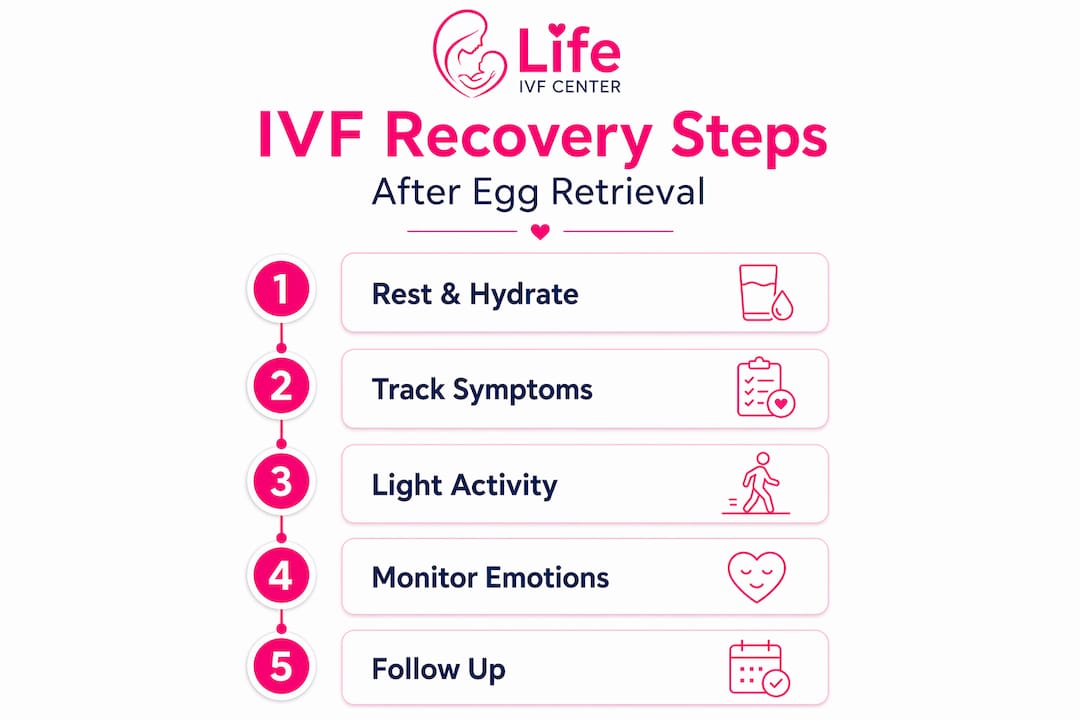
The emotional recovery after a failed cycle deserves as much attention as the physical. Allow yourself time to grieve the result before immediately planning the next steps. Many patients benefit from IVF counseling support at this point to process the experience and build resilience for what comes next. You can also review how to handle a failed cycle and what adjustments your team might recommend by reading about protocol changes after failed cycles.
My honest take on managing IVF side effects
In my experience working with patients through IVF cycles, the biggest gap I see is not in medical knowledge. It is in self-advocacy. Most patients know that OHSS exists. What they do not do is call their clinic at 9pm on a Tuesday when they notice their waistband suddenly feels two sizes tighter. They wait for their scheduled appointment and hope it passes.
I have seen that hesitation lead to hospitalizations that earlier contact would almost certainly have prevented. The fertility team wants to hear from you. That is not an overstatement. Early intervention is genuinely easier to manage than a crisis.
The other thing I want to name directly: the emotional side of IVF is not separate from the physical. Anxiety and grief cause real physiological stress responses that can amplify physical symptoms and make recovery harder. Managing IVF symptoms well means showing up for both dimensions. Relaxation techniques, counseling, and honest conversations with people you trust are not supplementary. They are core to how you cope with IVF side effects in a way that is actually sustainable.
Small habits compound. Drinking enough water, weighing yourself each morning, going to bed on time, saying no to the dinner plans you do not have energy for. These are not dramatic interventions. They are the things that, added together, genuinely move the needle during treatment.
How Life IVF Center supports you through IVF treatment
Managing side effects is easier when you have a fertility team that anticipates them. At Life IVF Center, the Precision IVF® approach means your protocol is built around your unique biology from the start, including your personal risk factors for OHSS and medication sensitivity.
Whether you are preparing for your first cycle or looking at next steps after a previous one, Life IVF Center offers personalized treatment packages designed to match your clinical profile and financial situation. The care team provides proactive guidance on side effect prevention, ongoing monitoring throughout stimulation, and direct access to clinical support when symptoms arise. If you have insurance questions alongside your treatment planning, the insurance patient resources at Life IVF Center offer clear answers on coverage and financial planning. Your well-being during treatment is not an afterthought. It is built into how Life IVF Center cares for every patient.
FAQ
What are the most common IVF side effects?
The most common IVF side effects include bloating, cramping, headaches, fatigue, mood swings, and injection site reactions. These are caused by the hormonal medications used during ovarian stimulation and progesterone support phases.
How do you reduce bloating and discomfort during IVF?
Staying well hydrated, maintaining a high-protein diet, and avoiding strenuous physical activity are the most effective ways to reduce IVF discomfort from bloating. Contact your fertility team if bloating worsens rapidly or is accompanied by reduced urination.
When should I be concerned about OHSS?
You should contact your clinic immediately if you experience rapid weight gain, severe abdominal swelling, shortness of breath, or significantly reduced urine output. Severe OHSS symptoms require prompt evaluation and may need hospital-level care.
Can I take pain medication during IVF treatment?
Acetaminophen is generally safe for managing mild pain during IVF. NSAIDs like ibuprofen should be avoided during stimulation and the two-week wait, as they may interfere with ovarian function and embryo implantation.
How long do IVF side effects last after egg retrieval?
Most post-retrieval symptoms like cramping and bloating resolve within three to seven days. If you are pregnant following a transfer, progesterone-related symptoms may persist longer as hormone levels remain elevated.
Recommended
- How to Handle IVF After Failed Cycles: What to Do Next
- Egg retrieval tips: Expert guidance for IVF success
- Fertility treatment options: Effectiveness and best uses
- The Role of Counseling in IVF: What You Need to Know
Ready to take the next step?
Life IVF Center specializes in individualized Precision IVF® care for complex cases—including diminished ovarian reserve, prior failed cycles, and advanced maternal age. Our in-house labs and dedicated physicians are ready to help.
Book a Free Consultation →