
Choose the healthiest, fully screened donor who meets your genetic-compatibility requirements, ideally under 35, and let physical or personal preferences come second, not first. Everything else in the process, from ethnicity filters to eye color, matters far less to your outcome than a donor’s medical history, ovarian reserve markers, and completed genetic carrier screening.
Before you scroll through another donor profile, confirm three things:
- Screening status — Has the donor completed FDA-mandated infectious disease testing and a documented psychological evaluation?
- Carrier screening — Has she had pan-ethnic genetic carrier screening reviewed against your own results by a certified genetic counselor?
- Cycle type — Is she a fresh donor requiring stimulation and coordination, or a frozen donor from an established egg bank with a completed cycle already on record?
If a clinic or agency can’t produce documentation for all three, ask for the full donor file before moving forward, or schedule a consultation to review your specific genetic and medical compatibility needs.
TL;DR:
- Donors under 35 with confirmed high ovarian reserve markers and full infectious disease testing provide the strongest predictor of successful IVF outcomes.
- Complete donor screening files, including genetic carrier results reviewed by a genetic counselor and family medical history, are essential before making a match.
- Frozen egg bank options offer quicker availability and known cycle outcomes, while fresh donors may yield more eggs but involve longer coordination.
- Prior cycle success and documented fertility metrics outweigh appearance or ethnicity filters in predicting cycle success.
- Prioritize medical and genetic vetting first, then consider contact preferences, to ensure the donor meets all essential health criteria.
Table of Contents
- Choosing an Egg Donor Starts With Medical and Genetic Fit
- Fresh Vs. Frozen and Known Vs. Anonymous Donor Options
- What Screening Records You Should Require Before Matching
- How Do You Narrow Down Egg Donor Candidates?
- Should You Choose an Anonymous or Open-ID Donor?
- What Does Egg Donor Matching Typically Cost and How Long Does It Take?
- A Clinic-First Approach Beats a Preference-First One
- Get Support Choosing the Right Egg Donor
- Key Takeaways
- Sources
Choosing an Egg Donor Starts With Medical and Genetic Fit
Donor age is the single strongest predictor of egg quality and IVF success, more influential than any physical trait on a profile. Peer-reviewed research on reproductive aging consistently shows that younger donors, generally those under 35, produce eggs with better chromosomal integrity, which translates into stronger embryo development and higher live birth rates. Age isn’t a guess you make from a photo. It shows up in two lab values you should ask for directly: Anti-Müllerian Hormone (AMH) and antral follicle count (AFC). Both estimate ovarian reserve and give you a data-backed sense of how many high-quality eggs a donor is likely to produce in a cycle.
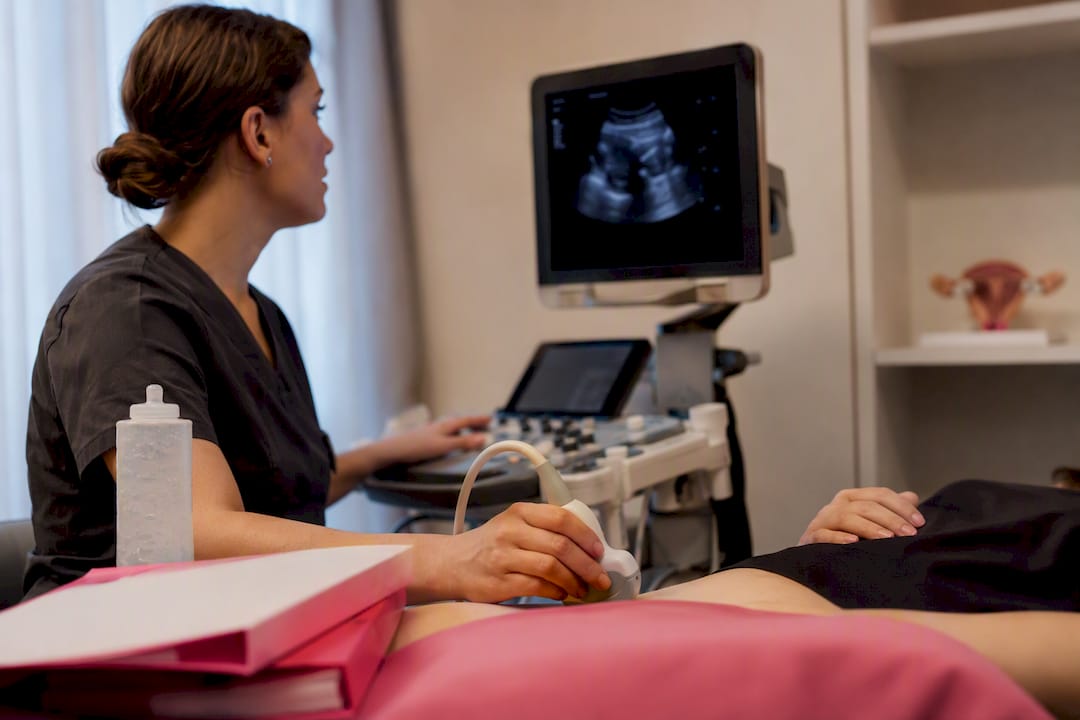
Statistic Callout: Reproductive aging research identifies donor age as the strongest single predictor of oocyte quality and IVF success, ahead of any other selection variable.
Family medical history deserves the same scrutiny you’d give a lab report. A responsible clinic requests a three-generation family history, not just a checkbox questionnaire, covering the donor’s parents, grandparents, siblings, and any known hereditary conditions. Watch for gaps or vague answers around cancer history, psychiatric illness, cardiovascular disease, and early deaths in the family. A donor who doesn’t know her grandparents’ cause of death isn’t disqualified automatically, but that gap should prompt more questions, not less.

Genetic carrier screening is where a lot of intended parents assume more than they should. Pan-ethnic carrier panels test for dozens of recessive conditions, but no panel tests for everything, and results only mean something when compared against your own or your partner’s carrier status. This comparison should happen with a certified genetic counselor, not a clinic coordinator reading off a spreadsheet. ASRM’s guidance on gamete donation treats this counselor-reviewed comparison as a core part of responsible donor evaluation, not an optional add-on.
Infectious disease testing is federally required, not clinic-discretionary. The FDA mandates specific screening for HIV, hepatitis B and C, syphilis, and other transmissible conditions before any nondirected donor’s eggs can be used. Ask to see the actual test dates and results, not a summary statement that testing “was completed.”
Finally, weigh proven fertility. A donor with one or more prior successful cycles, especially ones resulting in live births, carries more predictive value than a first-time donor with an identical profile on paper. Prior cycle data, including egg yield and fertilization rates, gives your clinical team a real track record instead of a theoretical projection.
- Request AMH and AFC values, not just an age listed on the profile.
- Ask for the complete three-generation family history document, not a summary.
- Confirm carrier screening was reviewed against your own results by a genetic counselor.
- Verify infectious disease test dates match FDA-required windows.
- Ask whether prior cycles exist and what the egg yield and outcomes were.
Fresh Vs. Frozen and Known Vs. Anonymous Donor Options
Donor selection isn’t just about who; it’s also about which program structure fits your timeline and comfort with future contact. Two separate choices sit underneath every donor profile: fresh versus frozen eggs, and known versus nondirected donation.
- Fresh donation means a donor is actively recruited, screened, and stimulated for your specific cycle. You typically get a larger cohort of eggs and more flexibility in coordinating retrieval timing with your own treatment, but the process takes months of screening and synchronization.
- Frozen egg bank donation draws from a cohort of eggs already retrieved and vitrified from a donor who has completed her screening and cycle. This route moves faster, often within weeks, because the guesswork around screening dropout or cycle cancellation is already resolved. The trade-off is a fixed number of eggs per lot rather than an open-ended fresh cohort.
- Known or directed donation involves a donor you or your partner already know, often a family member or friend, and includes explicit expectations around future contact. Nondirected donation matches you with a donor through a clinic or agency database, and can be fully anonymous or “open ID,” meaning donor-conceived children can request identifying information once they reach adulthood.
Frozen egg banks and fresh-donor programs also present data differently. A frozen donor’s listing usually shows a “completed cycle,” meaning actual retrieval numbers and, in many cases, prior recipient outcomes are already known. A fresh donor’s profile is more forward-looking, projecting expected yield based on screening results rather than confirmed history. If speed and predictability matter more than cohort size, frozen usually wins. If you want a larger pool of eggs and the possibility of multiple embryo transfers from one match, fresh may be worth the longer wait.
What Screening Records You Should Require Before Matching
Every step in the egg donor screening process exists to protect both the donor and the future child, and the FDA and ASRM frameworks together set the floor for what “fully screened” actually means. Treat these as documentation requests, not conversation topics.
The FDA’s rules focus specifically on infectious disease risk. Programs using nondirected donor gametes must register with the agency, undergo inspection, and produce documented eligibility determinations covering HIV, hepatitis B and C, syphilis, and related pathogens. ASRM’s practice guidance goes further, covering genetic screening, medical history depth, and psychological evaluation as core parts of donor evaluation.
Ask your clinic or agency to produce these specific records before you commit to a match:
- The completed carrier-screening panel report, including which conditions were tested.
- Current AMH and AFC values with testing dates.
- Prior cycle metrics, if any, including egg yield and fertilization outcomes.
- Written psychological clearance from a licensed mental health professional.
- A signed informed consent document outlining the donor’s understanding of the arrangement.
Pro Tip: Ask specifically whether a donor has ever been marked “ineligible for nondirected donation.” Under ASRM and FDA frameworks, this status doesn’t always mean a donor can’t be used. It can still qualify for directed or known donation with additional informed consent, but you need that distinction in writing before proceeding.
If a donor falls into that ineligible category, your clinic should walk you through exactly what additional consent and disclosure steps apply. This is a conversation for your case manager and physician, not something to infer from a database filter.
How Do You Narrow Down Egg Donor Candidates?
Start by separating your criteria into two lists: must-haves and nice-to-haves. Must-haves should be almost entirely clinical, donor age under a set threshold, completed screening, compatible carrier status. Nice-to-haves can include physical resemblance, education, or personality traits. This distinction matters because industry guides consistently note that appearance-based traits have essentially no bearing on IVF success, even though they’re often the first filter people apply in a donor database.
Once your lists exist, run this sequence:
- Filter the database using your must-have criteria first, before you look at a single photo.
- Request full records for every candidate who survives that filter.
- Route those records through a genetic counselor for a compatibility comparison against your own carrier results.
- Confirm the donor’s psychological clearance and any case notes from her evaluation.
- Verify current availability and review the legal and financial terms with your case manager before finalizing.
When you sit down with your case manager, bring a short, prioritized list of questions instead of an open-ended conversation:
- Is her screening file complete, including all FDA-required infectious disease tests?
- What were the outcomes of any prior donation cycles?
- How many families has this donor’s genetic material already been used to help build?
- What happens if she withdraws or a cycle is canceled after we’ve committed?
If you and your partner are torn between two well-screened candidates, let your case manager break the tie using objective data, prior cycle yield, egg quality metrics, or screening completeness, rather than defaulting purely to preference. That’s also the moment to talk openly about how much weight each partner’s personal preferences should carry, since this decision often surfaces disagreements that are easier to work through with a counselor in the room.
Should You Choose an Anonymous or Open-ID Donor?
Known donor vs. anonymous donor isn’t just a logistics question. It shapes what your future child will or won’t be able to learn about their genetic origins. Anonymous and nondirected donors typically offer no identifying contact, while open-ID donors agree to be identifiable once the donor-conceived child turns 18. Neither option is inherently right, but each carries different long-term implications worth discussing before you match.
- Anonymous donation offers privacy now but limits your child’s future ability to access genetic or medical history updates.
- Open-ID arrangements give donor-conceived children a documented path to identifying information later in life.
- Donor psychological screening matters here too: ASRM guidance recommends recipient counseling alongside donor evaluation, specifically to work through these identity and disclosure questions before conception.
- Direct-to-consumer DNA testing has made true anonymity increasingly unreliable over time, since donor-conceived adults and biological relatives can and do find each other through consumer genetic databases regardless of the original agreement.
- Start thinking now about how and when you’ll tell your child about their conception, since clinics that build recipient counseling into the matching process tend to see less confusion and conflict later.
What Does Egg Donor Matching Typically Cost and How Long Does It Take?
Frozen-match timelines usually run weeks to a few months, since the donor’s cycle is already complete and her records are ready for review. Fresh-match timelines stretch longer, often several months, because screening, synchronization, and stimulation all have to align with your own treatment calendar.
Cost varies by program structure, but the main drivers are consistent: agency matching fees, donor compensation, clinic fees for retrieval and lab work, genetic carrier screening, and, for frozen eggs, storage and shipping charges. Ask your clinic to break these out individually rather than quoting one bundled number, since that’s the only way to compare offers accurately.
Availability is the pitfall people underestimate. Donor cohorts can deplete, and some candidates drop out mid-screening for medical or personal reasons. Ask your agency directly about reservation policies, what happens if your chosen donor withdraws, and whether reserving extra eggs or embryos upfront is an option. A clinic with a clear cohort-allocation policy will save you from scrambling for a backup mid-cycle.
What a Trustworthy Fertility Clinic Should Offer
A clinic worth trusting with donor matching builds genetic counseling, psychological screening, and personalized cycle planning into the process by default, not as an upsell. Lifeivfcenter’s Precision IVF® approach customizes protocols around each patient’s medical history and goals, and its team coordinates the logistics that often get overlooked: travel support, multi-language communication, and accessibility accommodations for patients navigating treatment from out of state.
Whatever clinic you choose, ask to see:
- Documented genetic counseling and carrier-screening comparison reports.
- Written psychological evaluation summaries for the donor.
- A clear explanation of what happens if your matched donor becomes unavailable.
A Clinic-First Approach Beats a Preference-First One
Most guidance on choosing an egg donor still leads with appearance filters, hair color, height, ethnicity, before it mentions ovarian reserve or carrier screening. That ordering is backwards. The research is consistent: age and documented medical screening predict outcomes; resemblance filters predict nothing about whether a cycle succeeds.
Where conventional advice really falls short is treating “known vs. anonymous” as a preliminary decision made before medical vetting even starts. It should be the opposite. Screen for medical and genetic fit first, narrow to a shortlist of donors who pass every clinical checkpoint, and only then weigh identity and contact preferences among those finalists. Trying to do it in reverse means you risk falling in love with a profile before you know whether her AMH levels or family history even clear your bar.
If you take one thing from this guide, let it be this: ask for documentation before you ask about eye color. The paperwork tells you far more about your odds of success than any photograph ever will.
— Ben
Get Support Choosing the Right Egg Donor
Lifeivfcenter coordinates the entire donor-matching process under one roof instead of leaving you to juggle an agency, a separate genetic counselor, and a clinic that only sees your file once records finally arrive. That means faster review of carrier-screening reports, direct access to your care team for questions about AMH values or prior cycle outcomes, and one point of contact managing the paperwork this guide just walked you through.
Our team helps you request full donor records, coordinate genetic counseling, and build a personalized cycle plan through our Precision IVF® approach, all before you commit to a match. If you’re ready to move forward, schedule a consultation and bring any existing medical records, your partner’s carrier-screening results if available, and your list of must-have questions. We’ll take it from there.
Key Takeaways
Choosing an egg donor works best when medical and genetic screening drive the decision first, with personal preferences applied only among fully vetted finalists.
| Point | Details |
|---|---|
| Prioritize age and screening | Favor donors under 35 with completed AMH/AFC testing and full infectious disease clearance. |
| Verify, don’t assume | Request written carrier-screening, psychological clearance, and family history documents before matching. |
| Pick fresh or frozen deliberately | Frozen egg banks move faster; fresh donation offers a larger cohort but takes longer. |
| Decide on contact preferences early | Weigh known, anonymous, and open-ID options before you fall in love with a specific profile. |
| Plan for availability gaps | Ask about cohort depletion, cancellation policies, and backup options upfront. |
| Work with a coordinated clinic | Lifeivfcenter’s Precision IVF® approach integrates genetic counseling and psychological screening into personalized donor matching. |
This article is general information, not a substitute for advice from a qualified doctor. Consult a qualified healthcare professional about your own circumstances before acting on anything here.
Sources
- Guidance regarding gamete and embryo donation | ASRM
- What You Should Know About Reproductive Tissue Donation | FDA
- Review: reproductive aging and fertility outcomes | NCBI/PMC
- Egg donor selection and screening FAQ | UCSF Health
Ready to take the next step?
Life IVF Center specializes in individualized Precision IVF® care for complex cases—including diminished ovarian reserve, prior failed cycles, and advanced maternal age. Our in-house labs and dedicated physicians are ready to help.
Book a Free Consultation →